Ask any woman in your building how she walks home after 9 p.m. She will tell you without thinking: this lane, not that one. Stay near the shops. Avoid the stretch with the broken light. Call someone while walking past the empty plot.
That map in her head is a list of design failures. And most of them can be fixed.
What makes a street feel safe
Safetipin, an Indian organisation co-founded by women's rights activist Kalpana Viswanath, audits city streets for safety. Its audits look at things like:
- Lighting — is the whole stretch lit, or are there dark pockets?
- Openness — can you see ahead and around you, or are there blind corners?
- Visibility — are there "eyes on the street": shops, windows, vendors, people who would notice?
- People — are other people, including women, using the street?
- Walk path — is there a proper footpath, or must you walk on the road?
- Security — guards, police presence, or a watchful neighbourhood.
Look at that list again. Almost everything on it is something a street designer works with every day.
A dark, empty, broken street is not just ugly. It is a street that tells women to stay home.— MIB Stories
Six design moves that make a street safer
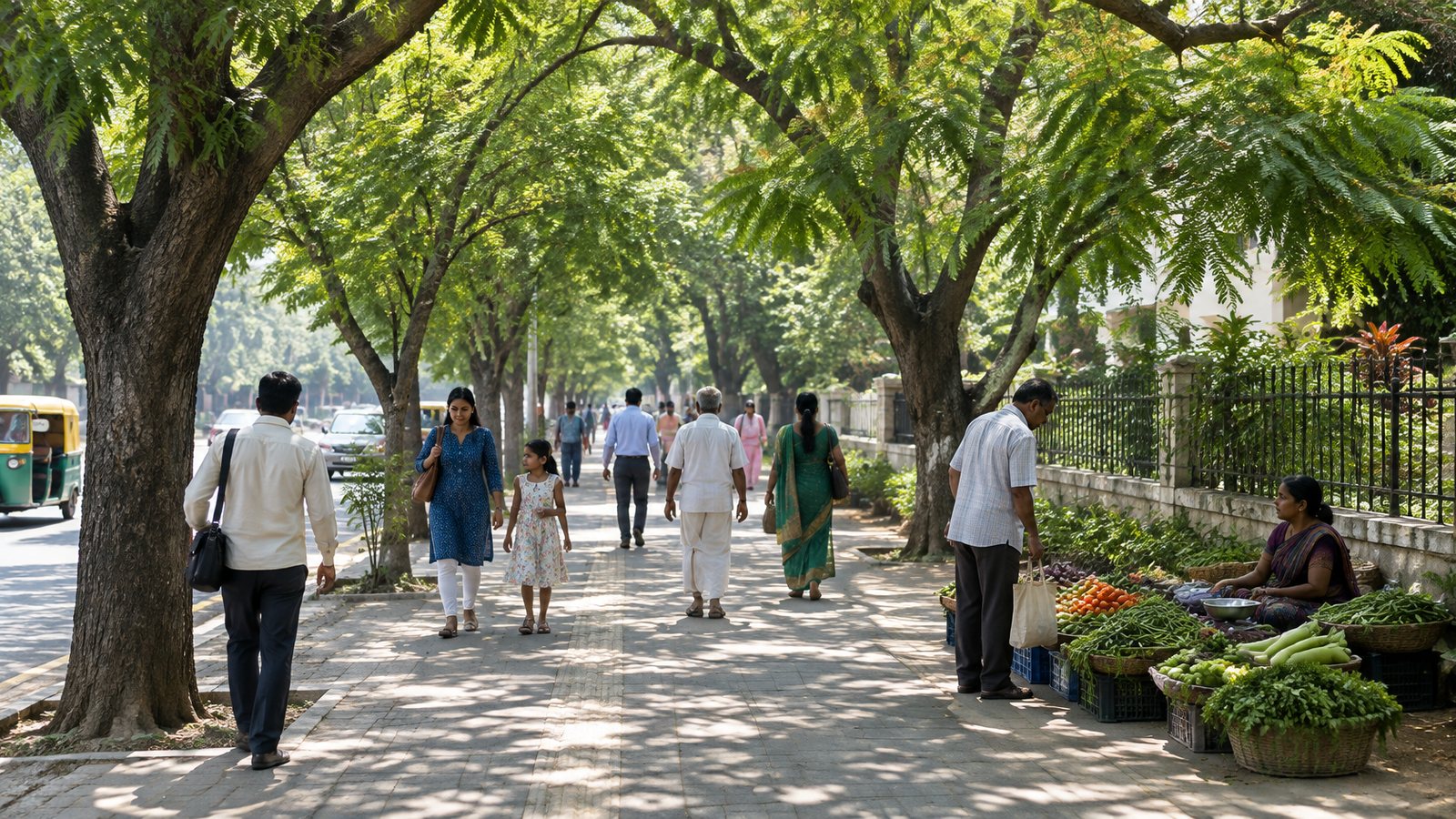
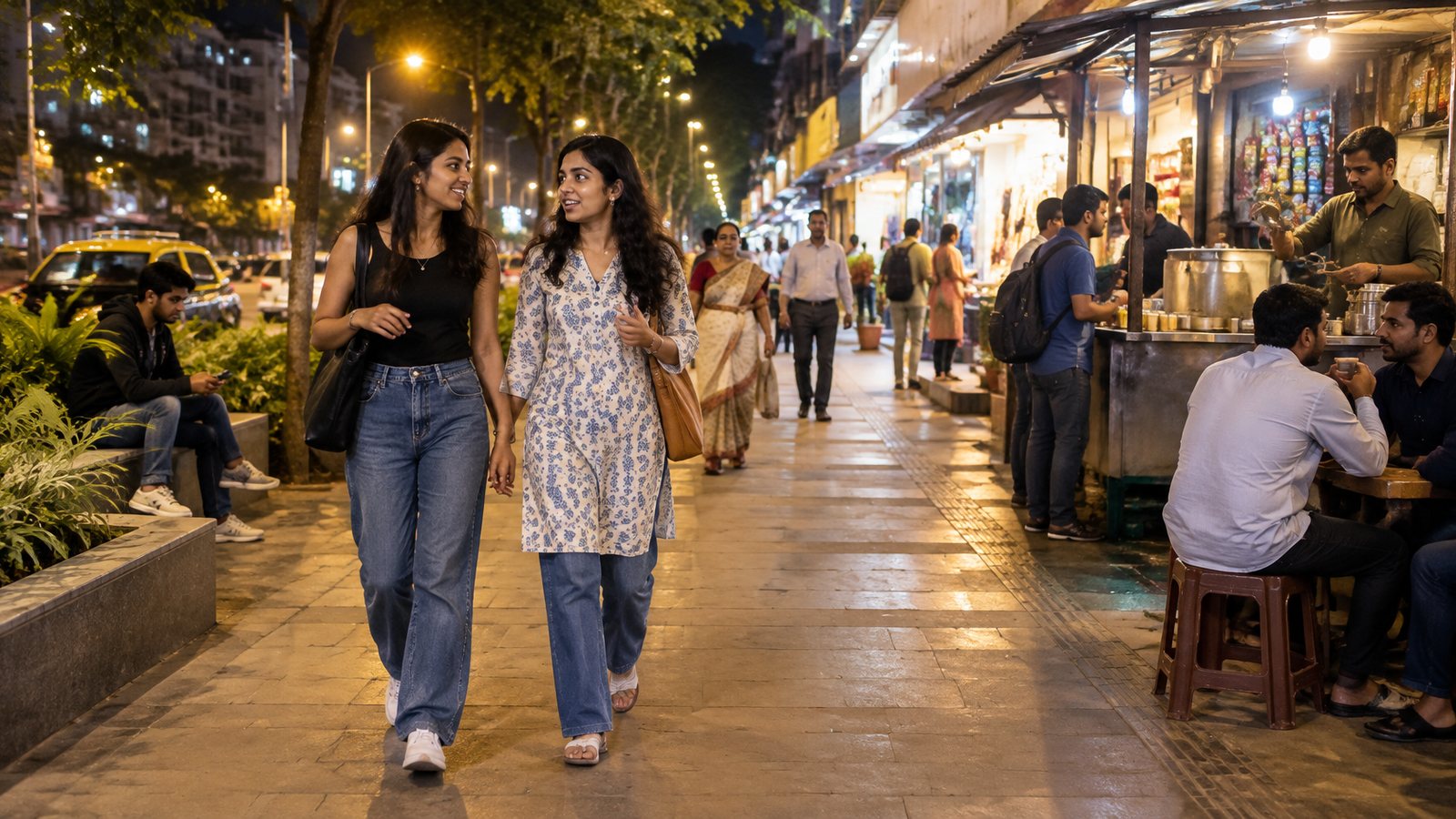
- Light the footpath, not just the road. Tall poles light the cars. Women need light at walking height, with no dark gaps between poles.
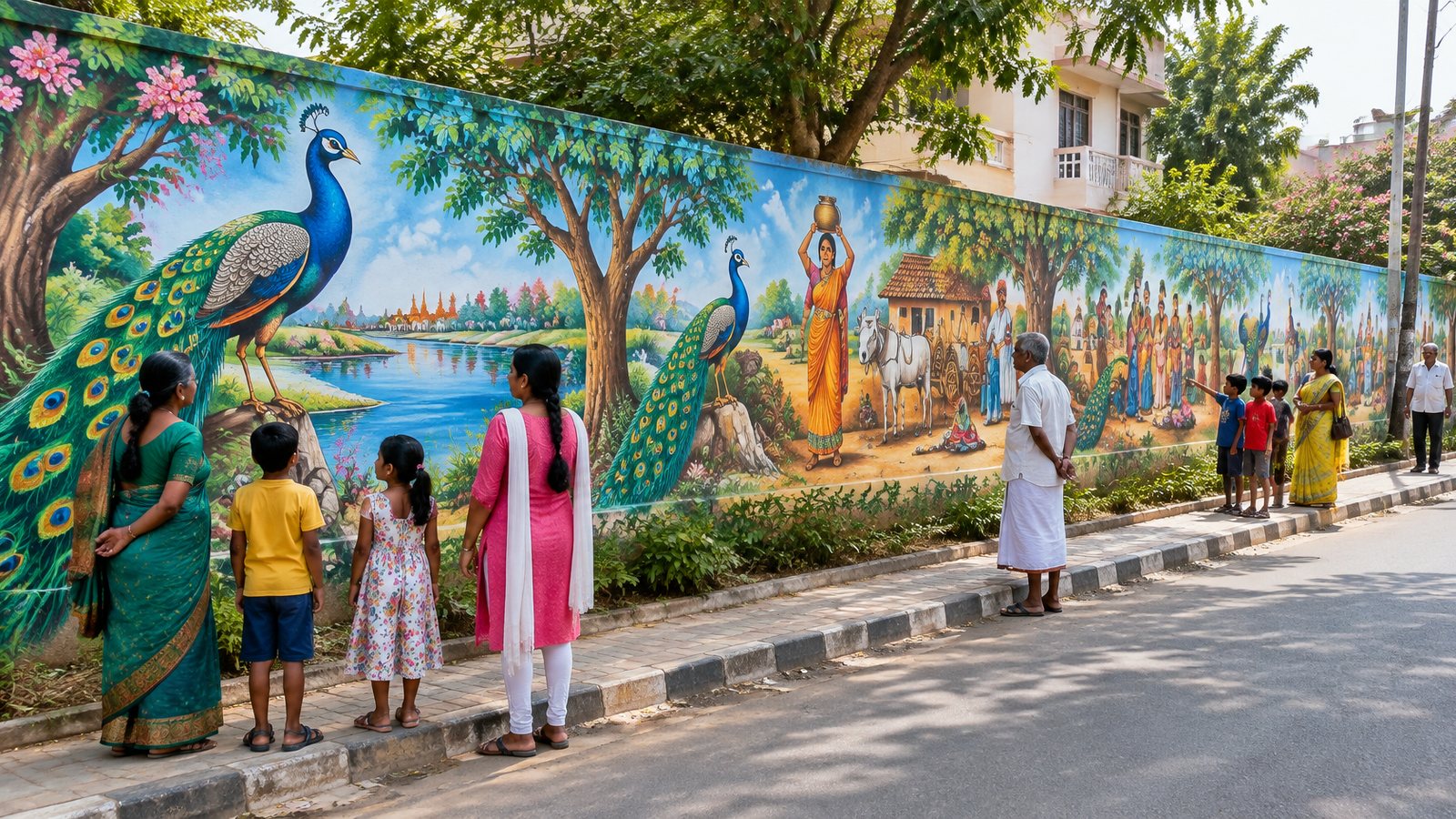
- Remove blind spots. Trim overgrown corners, open up dead walls, avoid tall solid barriers where someone can wait unseen.
- Keep the edges alive. Shops, kiosks and vendors that stay open in the evening are the best security a street can have.
- A continuous footpath. Nobody should have to step into traffic or a dark gap between parked vehicles.
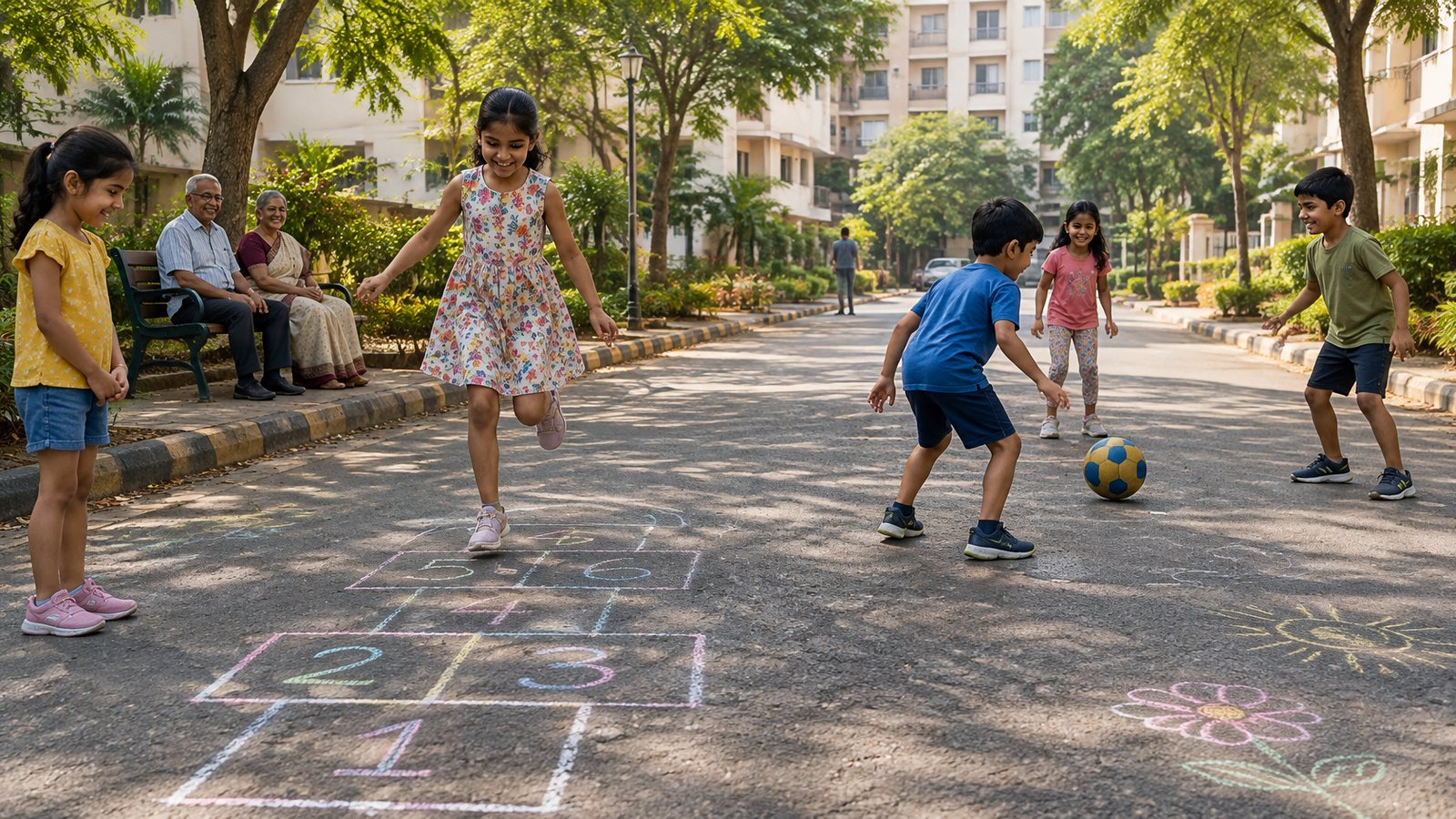
- Give people a reason to be there. Benches, a small garden, a chai corner — a street with people on it is a safer street.
- Care for it. A fused bulb fixed in two days, not two months. That needs someone who owns the street.
The evidence from Indian streets
When ITDP studied pedestrian-friendly streets in India, nearly 89% of women surveyed said they felt safer on them. Better footpaths, light and activity changed how half the population feels about going out.
Start with a night walk
This week, walk your street at 9 p.m. with two or three women from your building. Note every dark patch, blind corner and broken footpath. Take photos. That list is the most valuable brief an MIB designer can receive — and a great reason to start a Street Pledge with your neighbours.
Sources
- SafetiPin: a tool to build safer cities for women — The Asia Foundation
- Walkable streets boost business, improve safety on Pondy Bazaar: study (ITDP "The Healthy Street Dividend") — DT Next
Pictures on this page are illustrations and MIB design visions, not photographs of the places named.