Every Indian city has a "clean-up drive" photo album. Volunteers in matching T-shirts, a mountain of sacks, a proud group picture. And every city also knows what happens next: within weeks, sometimes days, the spot looks exactly as it did before.
It is not because people don't care. It is because we cleaned the symptom and left the cause untouched. The street was still designed — or rather, not designed — in a way that makes mess the easiest outcome.
A street tells people how to behave
Nobody reads a sign that says "Keep the city clean". But everybody reads a place. A corner already full of rubbish says: throw it here. A blank wall says: stick your poster here. A footpath broken in three places says: walk on the road, park on the footpath.
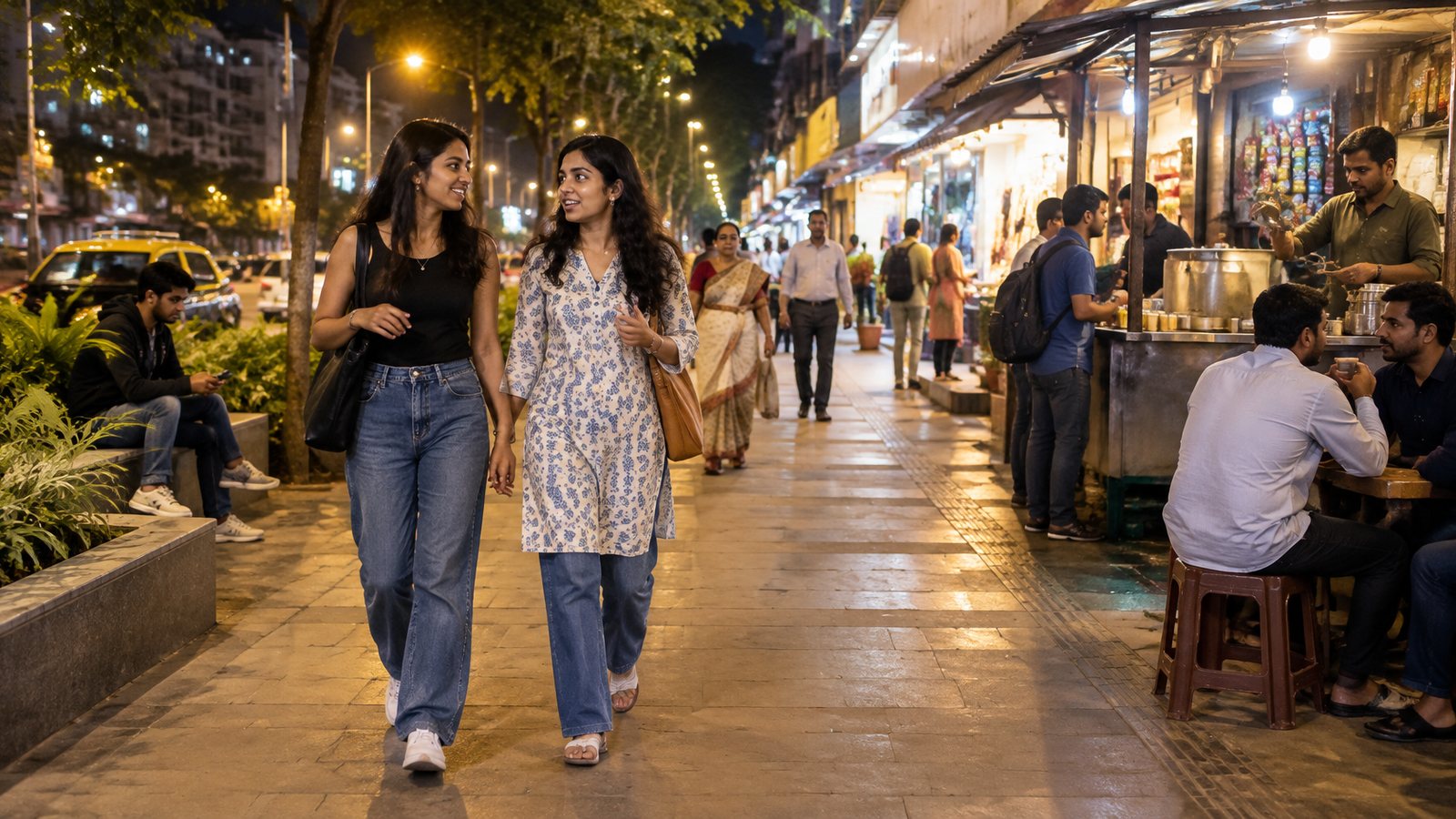
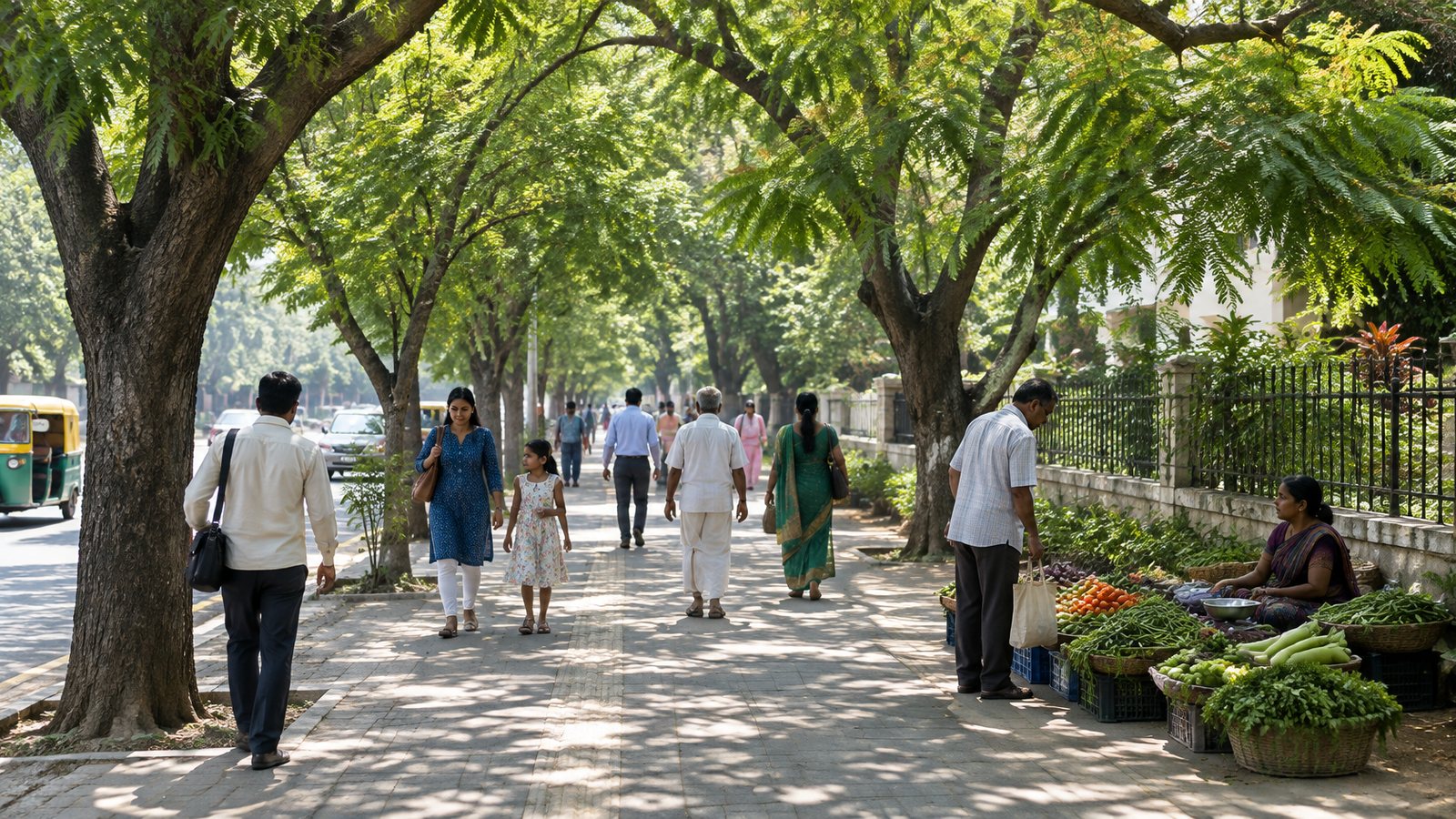
Now picture a corner with a planter, a bench, a painted wall and a clearly marked wet-and-dry waste point next to it. Without a single word, it says something completely different. People rarely throw garbage into a garden. That is the quiet power of design.
Cleaning removes the problem. Design removes the reason for it.— MIB Stories
Six design moves that keep a street clean
- Give waste a home. A fixed, visible waste point with wet and dry bins, placed where people actually walk, with a pickup time residents can trust. When waste has a home, it stops looking for one.
- Give vendors a line. Hawkers are part of Indian street life, not the enemy. A marked vending line with covered stalls and its own waste point turns chaos into a market people enjoy.
- Give walkers a footpath. A continuous, level footpath with kerbs. When people can walk, they stop spilling into the road, and parking stops spilling onto the footpath.
- Turn dump corners into green corners. The spot where rubbish always collects is the perfect spot for planters, a tree guard or a small seating nook. Replace the use, and the habit changes.
- Light it and paint it. Dark corners collect waste and worse. Good lighting and wall art — ideally by local artists and children of the street — make people feel watched over and proud.
- Plan the care, not just the build. Who sweeps, who waters the plants, who fixes the broken tile, who calls if the bin isn't picked up? A street without a care plan is just a future clean-up drive.
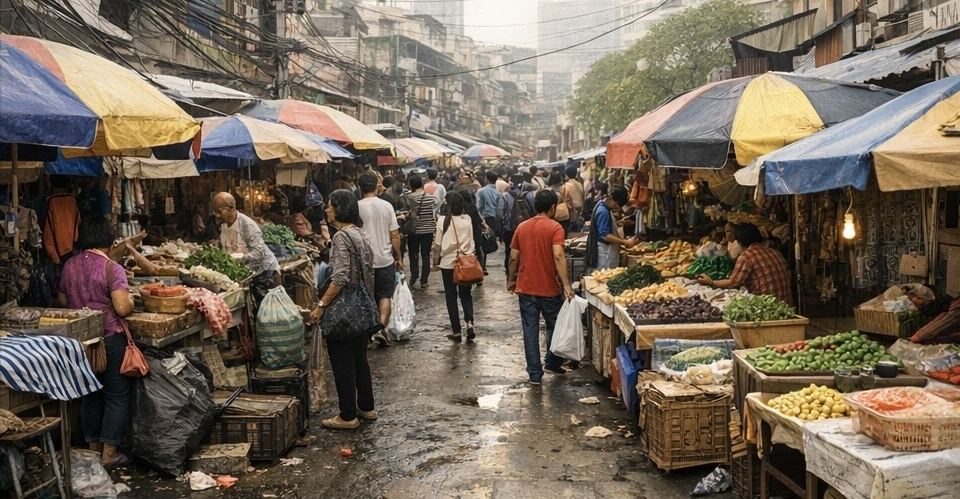 Today
 Designed
Why designers, not just contractors
For decades, Indian streets have been built by engineers and contractors who did their jobs well: lay the road, build the drain, fix the light pole. But nobody was asked to think about the whole experience — where the vegetable seller stands, where the school children wait, where the auto parks, where the waste goes, where an old person can sit.
That holistic thinking is exactly what designers are trained to do. Mission India Beautification brings architects, urban designers and artists into the pilot seat of everyday spaces, working alongside engineers and the ward office, not instead of them.
Beautiful is not a luxury
Some people hear "beautification" and think of fancy paint for rich neighbourhoods. It is the opposite. A beautiful, well-designed street is cheaper over time: fewer clean-up drives, fewer broken footpaths, fewer accidents, better business for shops, safer evenings for women and children. Beauty is what makes people protect a place.
- A clean-up without design is a clean-up you will repeat.
- Design the waste point, the vending line, the footpath, the green corner and the light.
- Plan the care before you start the build.
Want an MIB designer to look at your street, market or society entrance? Start a Street Pledge with your neighbours, or ask us for a Space Audit on WhatsApp.
Sources
- The Ugly Indian — the 90-day spot-fix rule (Wikipedia)
- Swachh Survekshan 2024-25 results — The Week / PTI
Pictures on this page are illustrations and MIB design visions, not photographs of the places named.