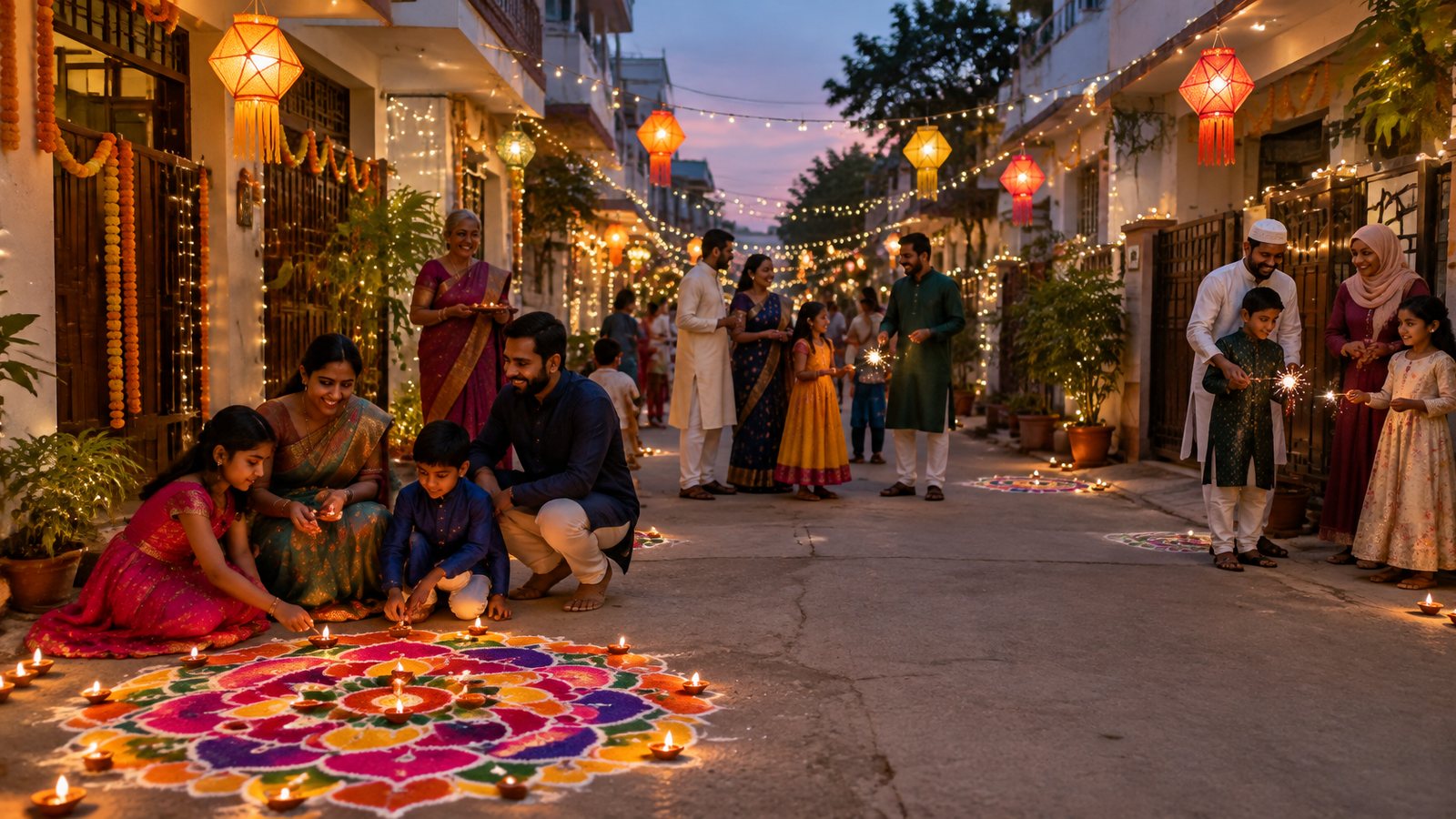
Think of your favourite festival memory. Chances are, it happened on a street. The Ganpati procession with dhol-tasha. Diwali lights strung across the lane. Iftar stalls on a Ramzan evening. A Christmas star outside every window. Navratri garba in the society compound spilling onto the road.
In India, the street has always been our biggest shared hall. For a few days a year, we decorate it with more love than any room in our homes.
And then the festival ends
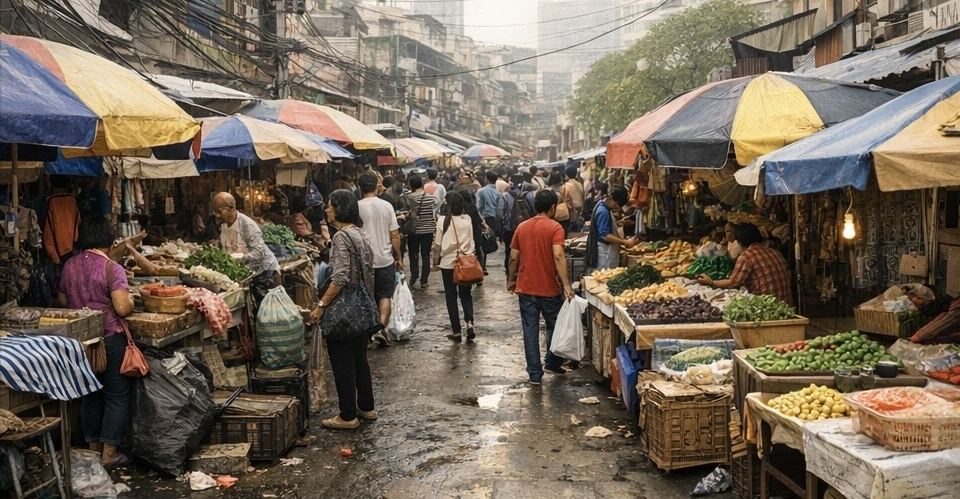
The day after, the lights come down, the pandal is taken apart, and the street goes back to how it was — and often worse, with leftover waste and broken edges. We know how to make our streets beautiful. We just do it for three days instead of three hundred and sixty-five.
We already know how to make our streets beautiful. We do it every festival.— MIB Stories
A street designed for celebrations
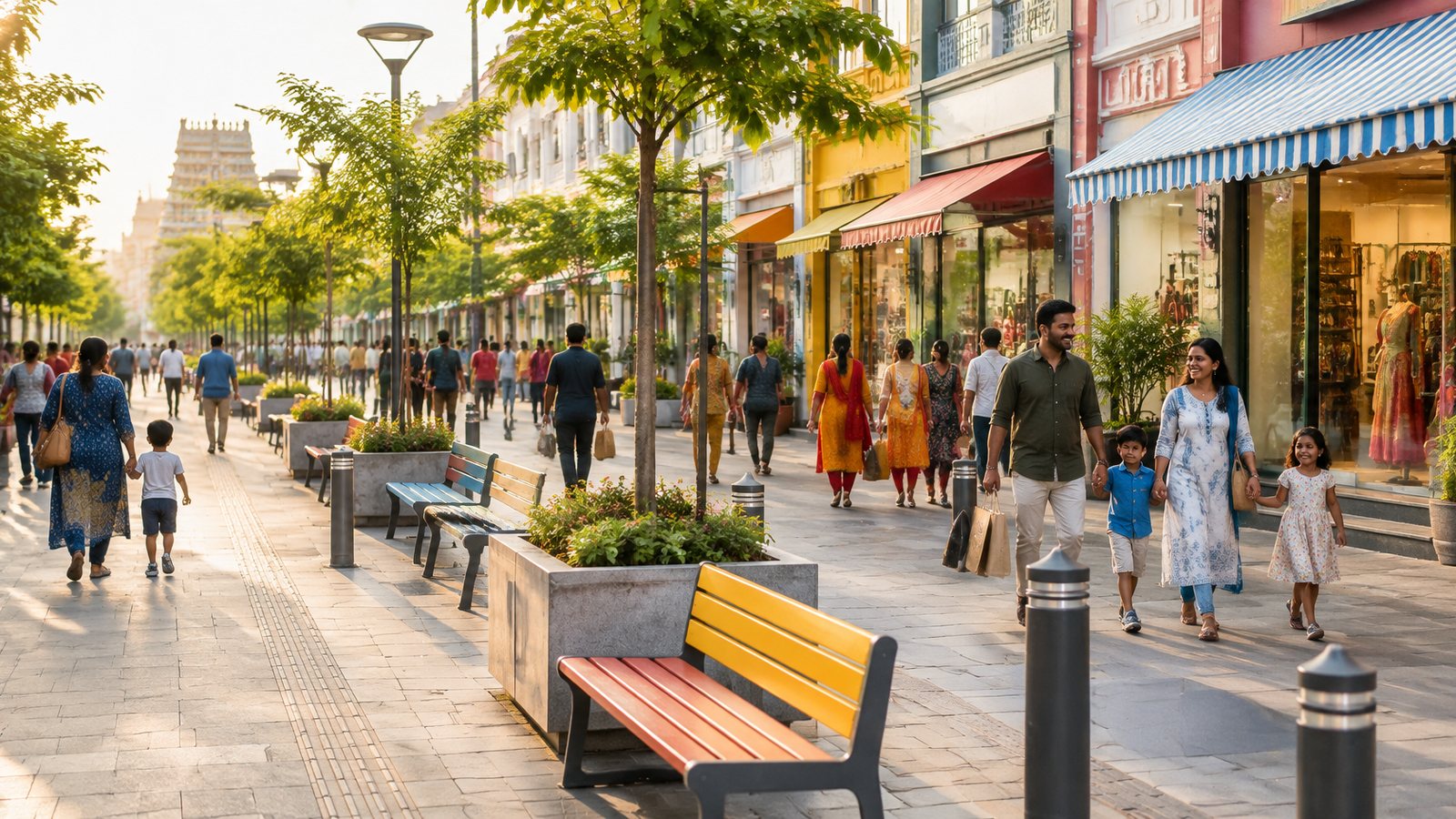
When MIB designs a street, festivals are part of the brief. A street that is beautiful every day can also be ready for its big days:
- Fixed points for lights so decorations don't mean tangled wires on trees.
- A level, open stretch where processions, rangoli and gatherings fit safely.
- Waste points that can scale up for festival days, with a clean-up plan agreed beforehand.
- Walls with art that tells the area's own stories and celebrations.
- Trees and seating where elders can sit and watch the celebrations in comfort.
Festivals bring a street together — use that
The same people who organise your street's festival — collecting contributions, putting up lights, coordinating food — already know how to work together. They are the perfect team to adopt the street for the rest of the year.
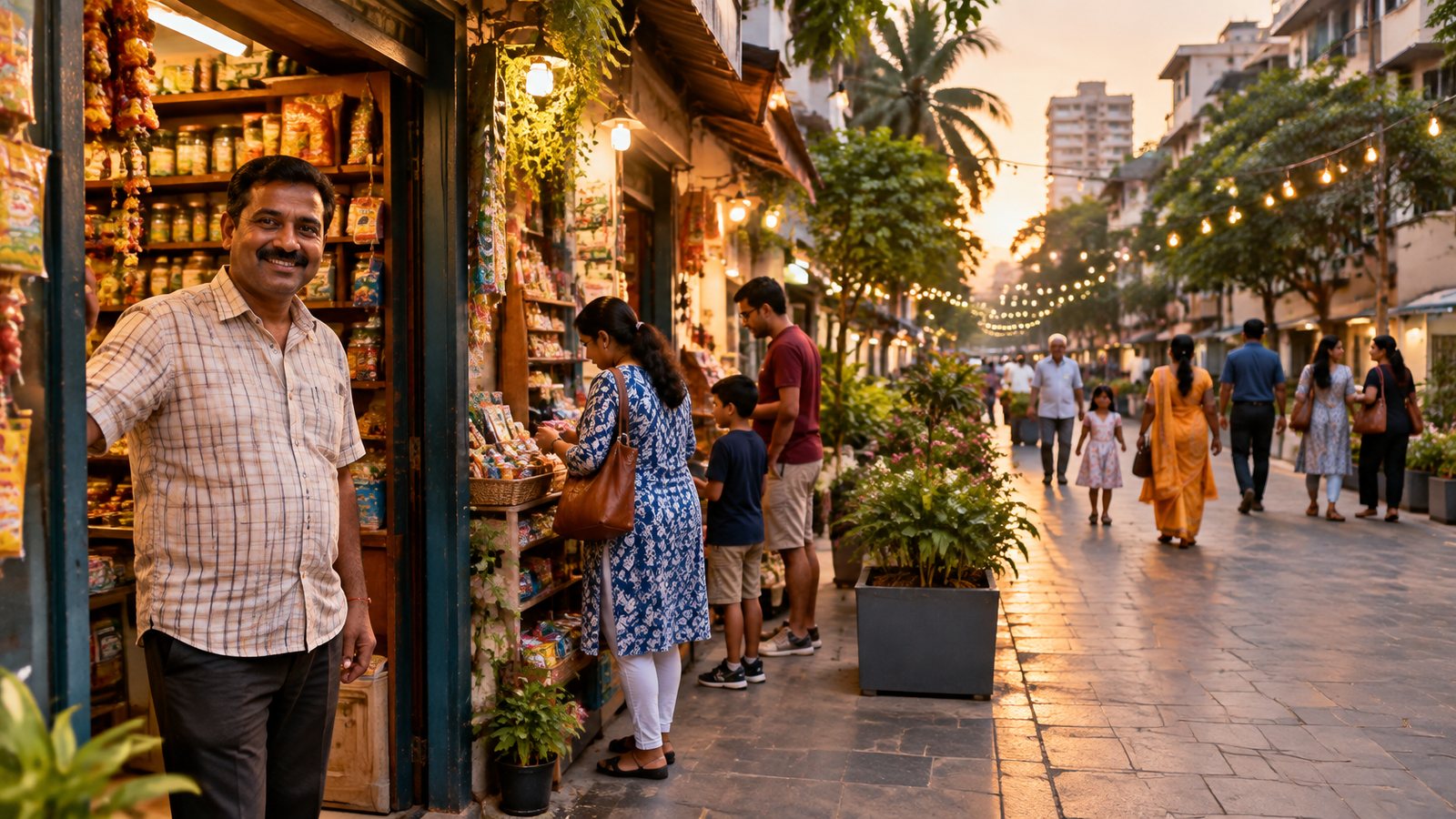
This festival season, when your street is lit up and full of people, take a moment to share your Street Pledge link. Ask your neighbours one question: "Why can't it look like this every day?"
Sources
Pictures on this page are illustrations and MIB design visions, not photographs of the places named.