
Care Guides · Street Care
How to organise a street clean-up in your neighbourhood
By MIB Care Team · Last reviewed 23 October 2026 · 8 min read
Short answer: Pick a short stretch you can finish in two to three hours. Inform your society and the ward office in writing a week ahead, and confirm the municipal vehicle that will collect the waste. Tell the local police station if your group is large or the road is busy. Give every volunteer gloves, a mask and closed shoes, brief them on sharp objects and traffic, sort waste into wet, dry and hazardous on the spot, and hand it over the same morning. Never let anyone enter a drain or burn waste.
Where we began
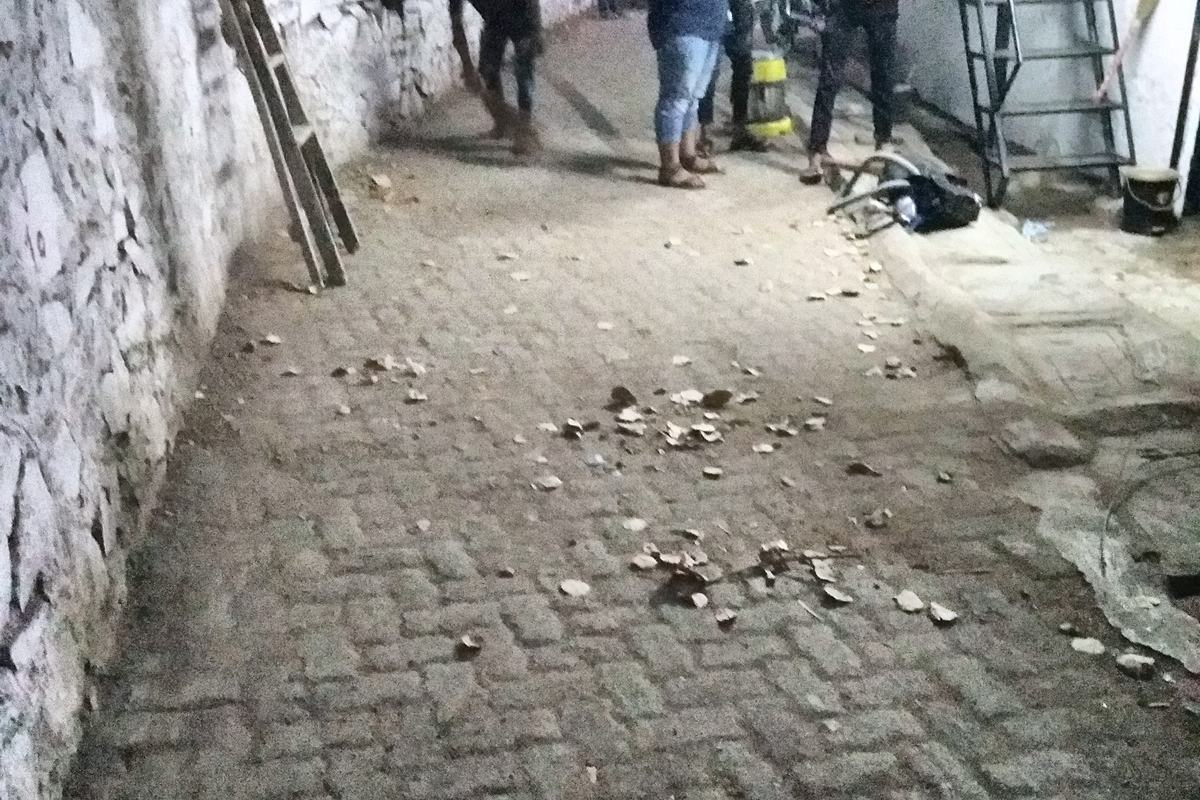
Mission India Beautification began on 9 June 2013 with one street in Punaichuk, Patna. Our founder Nitin, then a journalist, and a group of friends cleaned and beautified it in a morning. What stayed with us was not the waste we carried away but the pride on the faces of the people who lived there. Everything in this guide comes from drives we have run since that day.
Step 1: Choose a stretch you can finish
A first drive should end with a visibly clean street, not a half-done one. Choose 100 to 300 metres: your own lane, the road outside your society, a bus stop or the area around a school gate.
- Walk it first. Note where waste collects, whether there are drains, construction debris or heavy items, and where traffic is fastest.
- Pick the time. Sunday or a holiday, 7 to 10 am, before the heat and the traffic. Avoid the heavy-rain weeks of June to September.
- Take “before” photos from three or four fixed spots. You will shoot the “after” from the same spots.
Step 2: Permissions and who to inform
For a small drive on your own street, informing the right people in writing is usually enough. Anything bigger, such as blocking a lane, banners, a stage, loudspeakers or painting, needs written permission. Rules differ between wards, so ask when you visit.
| Who | Why | When |
|---|---|---|
| Your society or residents’ association | Their support, volunteers, a place to store tools and a notice on the board. | 2 to 3 weeks before |
| BMC ward office (Solid Waste Management department) | Most important: arrange the vehicle that will collect the waste, and ask whether the local sanitation team can join. | 7 to 10 days before, confirm 2 days before |
| Local police station | A courtesy letter for a group gathering. If you work near a busy road, ask whether traffic police support is needed. | 7 days before |
| Shopkeepers, hawkers and residents on the stretch | So nobody is surprised, cars can be moved and they can join in. | 2 to 3 days before |
| Owners of any private wall, plot or compound | You need their written consent to clean, paint or plant on their property. | Before you plan any beautification |
Outside BMC limits, approach your own civic body in the same way: Thane, Navi Mumbai, Kalyan-Dombivli, Mira-Bhayandar or Vasai-Virar municipal corporations, or the municipal council in towns such as Karjat and Lonavala.
A simple letter to the ward office
To: The Assistant Commissioner, ___ Ward, Brihanmumbai Municipal Corporation
Subject: Information about a citizens’ clean-up drive on ___ (road / lane)
We, residents of ___, will hold a voluntary clean-up of ___ (from ___ to ___) on ___ from 7 am to 10 am, with about ___ volunteers. We will segregate the waste into wet, dry and hazardous on site. We request a collection vehicle at ___ at 10 am, and the support of the local sanitation staff if possible. Contact: ___ (name, phone).
Step 3: Volunteers and roles
For 200 metres, 15 to 25 volunteers are plenty. More people is not always better: a smaller, well-briefed group works faster and safer.
- Drive lead: keeps time, speaks to officials and the vehicle driver.
- Safety marshals: one for every 8 to 10 volunteers, in reflective vests, watching traffic and sharp objects.
- First-aid person: holds the kit and knows the nearest clinic.
- Sorting station team: two or three people who check every sack before it is tied.
- Photographer: before and after shots from the fixed spots, and photos only of people who agree.
Register everyone with name, phone and an emergency contact. Volunteers under 18 should come with a parent’s consent and work away from traffic. Treat the area’s sanitation workers and waste pickers as partners, not spectators: invite them, follow their local knowledge, and thank them publicly.
Step 4: Tools and supplies
| For each volunteer | Shared, for about 20 volunteers |
|---|---|
| Thick rubber or cut-resistant gloves | 8 to 10 brooms and 5 dustpans or flat shovels |
| Mask (N95 type where there is dust) | 6 to 8 long-handled litter pickers or tongs |
| Closed shoes, never sandals | Sacks marked by colour: green for wet, blue for dry, a separate marked bag for hazardous |
| Cap and a water bottle | A rigid box or bottle with a lid for glass, blades and syringes |
| Reflective vest if working near traffic | First-aid kit, 20 litres of drinking water, ORS, soap and sanitiser |
| Traffic cones or a rope, a luggage scale to weigh sacks, a marker pen and tape |
Step 5: Safety rules everyone hears before starting
Give a 10-minute briefing before the first broom moves. These are the rules our own teams follow.
- Never enter a drain, gutter, manhole or septic tank. Toxic gases can kill within minutes, and sending people into sewers is prohibited by law. Report blocked drains to the ward office or the BMC helpline 1916.
- Never pick up glass, blades or syringes by hand. Use tongs and put them straight into the rigid box.
- Do not lift heavy debris, rubble or furniture. Mark it and report it to the ward office.
- Work facing oncoming traffic, keep marshals and cones on the road side, and never work in the carriageway of a main road without police support.
- Never burn waste. It is banned and the smoke is harmful.
- Drink water every 20 minutes and stop by 10 or 10:30 am in summer.
- Ask volunteers to make sure their tetanus vaccination is up to date. Wash any cut, cover it and show it to a doctor.
- Leave stray animals and nests alone, and do not mix any cleaning chemicals.
Step 6: What to do with the waste
Segregation is the difference between a drive that helps and one that only moves rubbish from the road to a landfill. India’s Solid Waste Management Rules ask everyone to keep wet, dry and hazardous waste apart, and municipal teams find segregated waste far easier to collect.
| Type | Examples | Where it goes |
|---|---|---|
| Wet | Leaves, flowers, food waste | Green sacks to the municipal vehicle. Clean leaf litter can go to your society’s compost pit. |
| Dry, recyclable | PET bottles, cans, cardboard, paper, glass bottles | Blue sacks. Clean recyclables can go to a local kabadiwala or a waste-picker group, so they earn from it. |
| Dry, low value | Wrappers, thin plastic, thermocol | Blue sacks to the municipal vehicle. |
| Hazardous | Batteries, bulbs, paint cans, medicines | A separate marked bag, handed to the ward team as they direct. |
| Sharps and medical | Syringes, blades, broken glass | Rigid box, sealed with tape, labelled “Sharp” and handed over separately. |
| Sanitary | Diapers, sanitary pads | Wrapped, marked and kept apart from other waste. |
| E-waste | Wires, chargers, small electronics | An authorised e-waste collector, not the municipal sack. |
| Construction debris | Rubble, tiles, cement bags | Do not bag it. Report it to the ward office for debris collection. |
Never leave sacks on the street overnight. If the vehicle is not confirmed, do not start. Weigh the sacks before handover; “180 kg removed from one lane” is a powerful message for your society and the ward.
A simple morning plan
| Time | What happens |
|---|---|
| 6:45 am | Lead and marshals set up cones, the sorting station and water |
| 7:00 am | Registration, gloves and the safety briefing |
| 7:15 to 9:15 am | Cleaning in small groups, top of the lane to the bottom |
| 9:15 to 9:45 am | Final sorting, weighing and tying sacks |
| 9:45 to 10:00 am | Handover to the municipal vehicle, “after” photos and thanks |
Step 7: Keep the street cared for
A street stays clean when someone feels it belongs to them.
- Share the before and after photos and the weight with your society and the ward office.
- Find the cause. If people dump at one spot, ask the ward for a bin or a regular pickup there.
- Set a short monthly follow-up: one hour, a few neighbours.
- Beautify only with written consent: plants, a painted wall or a mural can turn a dumping spot into a place people protect.
When to call MIB Care Team
Join a clean-up drive. Volunteer with Mission India Beautification, free, across Mumbai.
Questions we hear often
Do I need permission to clean my own street?
For a small drive, informing your society, the ward office and the local police station in writing is usually enough. Blocking a road, banners, loudspeakers, a stage or painting public walls needs written permission.
What if the municipal vehicle does not come?
Do not start until the pickup is confirmed. If it is delayed on the day, keep the sorted sacks in a safe, agreed place such as the society compound, never on the road, and call the ward office or BMC helpline 1916.
Can children join a clean-up drive?
Yes, with a parent’s consent. Give them light tasks away from traffic, such as sorting dry waste with gloves, and keep them away from sharp objects and drains.
Can MIB help us run a drive?
Yes. Mission India Beautification runs volunteer drives across Mumbai, and companies can plan a CSR clean-up with us. Societies that hire MIB Care Team get the street outside their building cleaned and beautified free.